
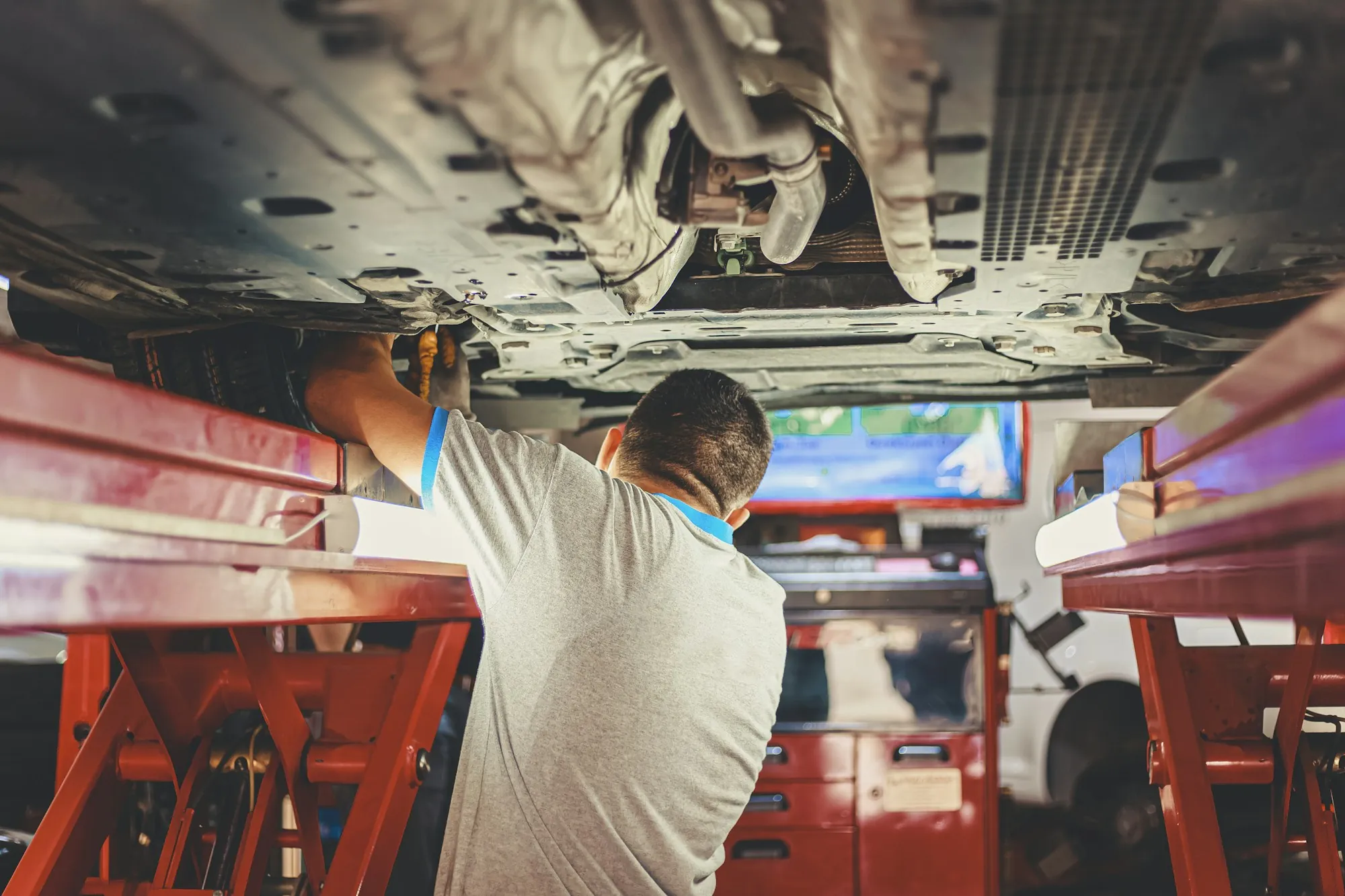
Auto Repair in Nederland With Honest Engine and Transmission Calls
Brake, engine, transmission and diesel repair for Nederland, Rollinsville, Ward and Gold Hill, with the fault found by testing and every option explained before you choose.
Explain the symptom to us — (303) 951-7564Repairs for Mountain Cars, Trucks and Diesels
The repairs below each get a dedicated page listing the warning signs, our checks and the choices that follow. Steep grades and cold starts up here put particular strain on brakes, engines and transmissions, and these pages explain how that shows up.
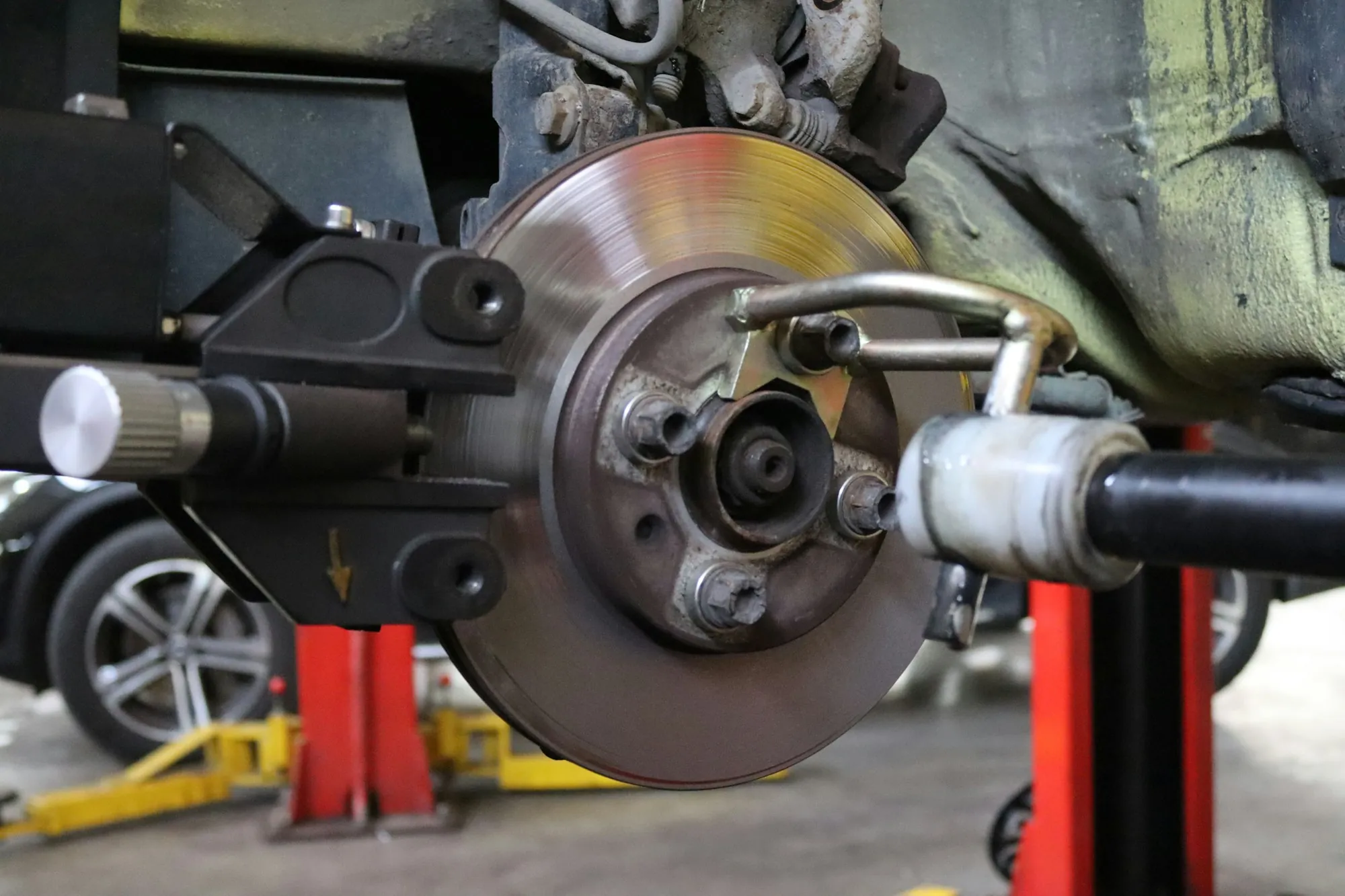
Brake Repair
Grinding, pulsing or a soft pedal on the canyon road traced to the worn part and fixed with brakes suited to mountain grades.
Read the full page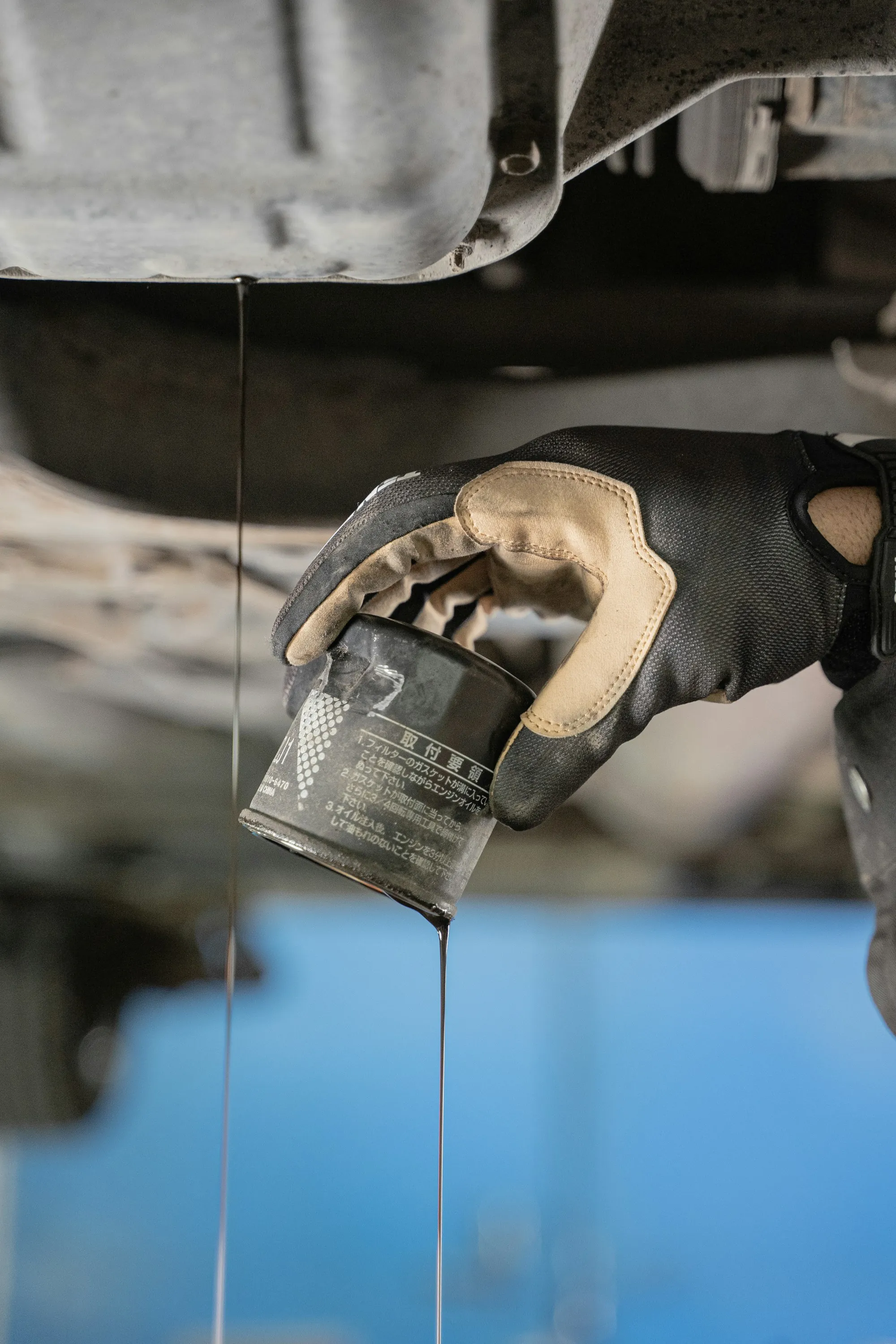
Scheduled Maintenance & Oil Changes
Oil changes and factory-interval service adjusted for altitude, towing and short trips, with every item recorded for your warranty file.
Read the full page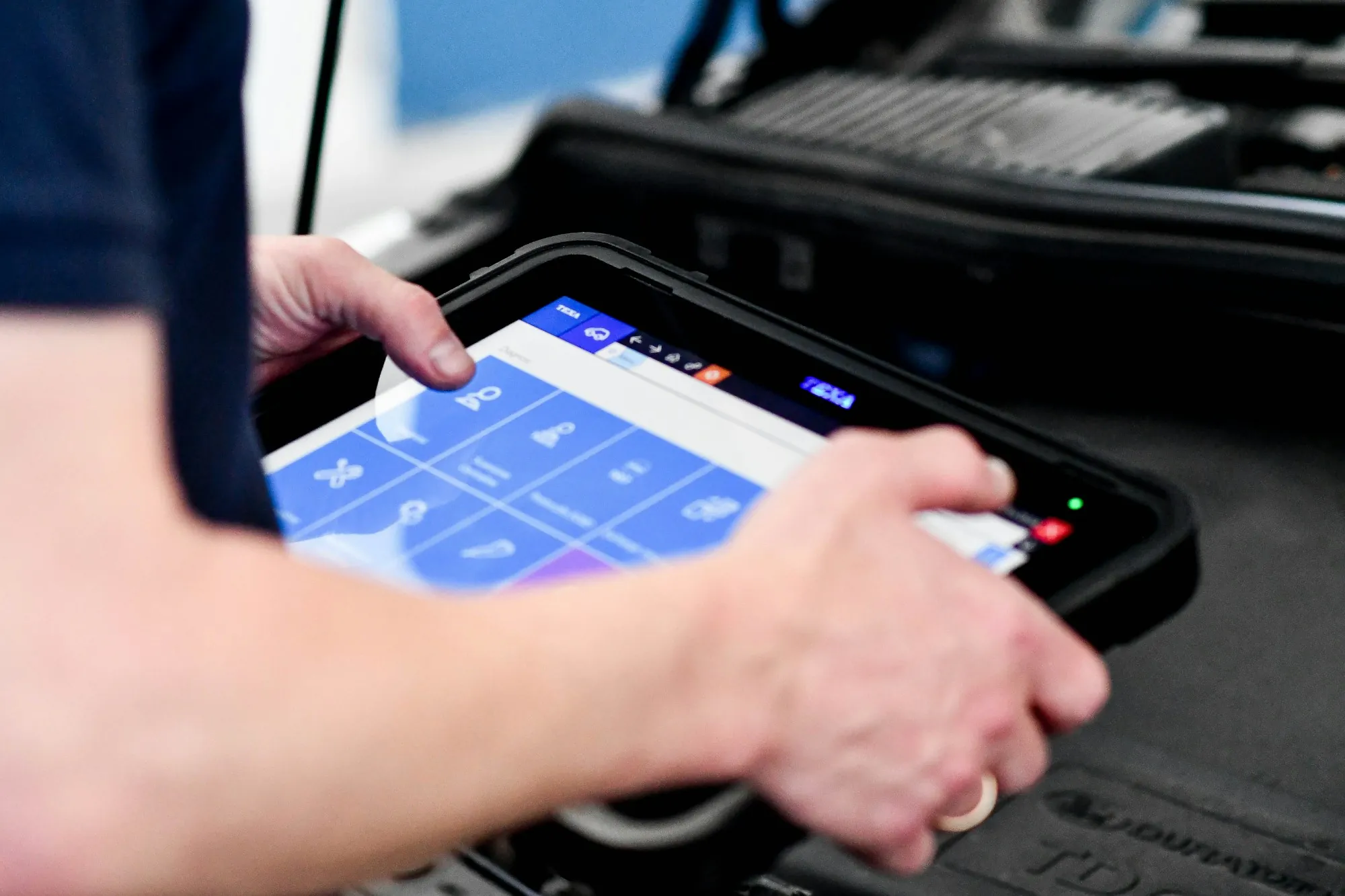
Check Engine Light Diagnostics
A warning light, rough idle or hesitation on the climb traced past the code to the actual cause before any part is replaced.
Read the full page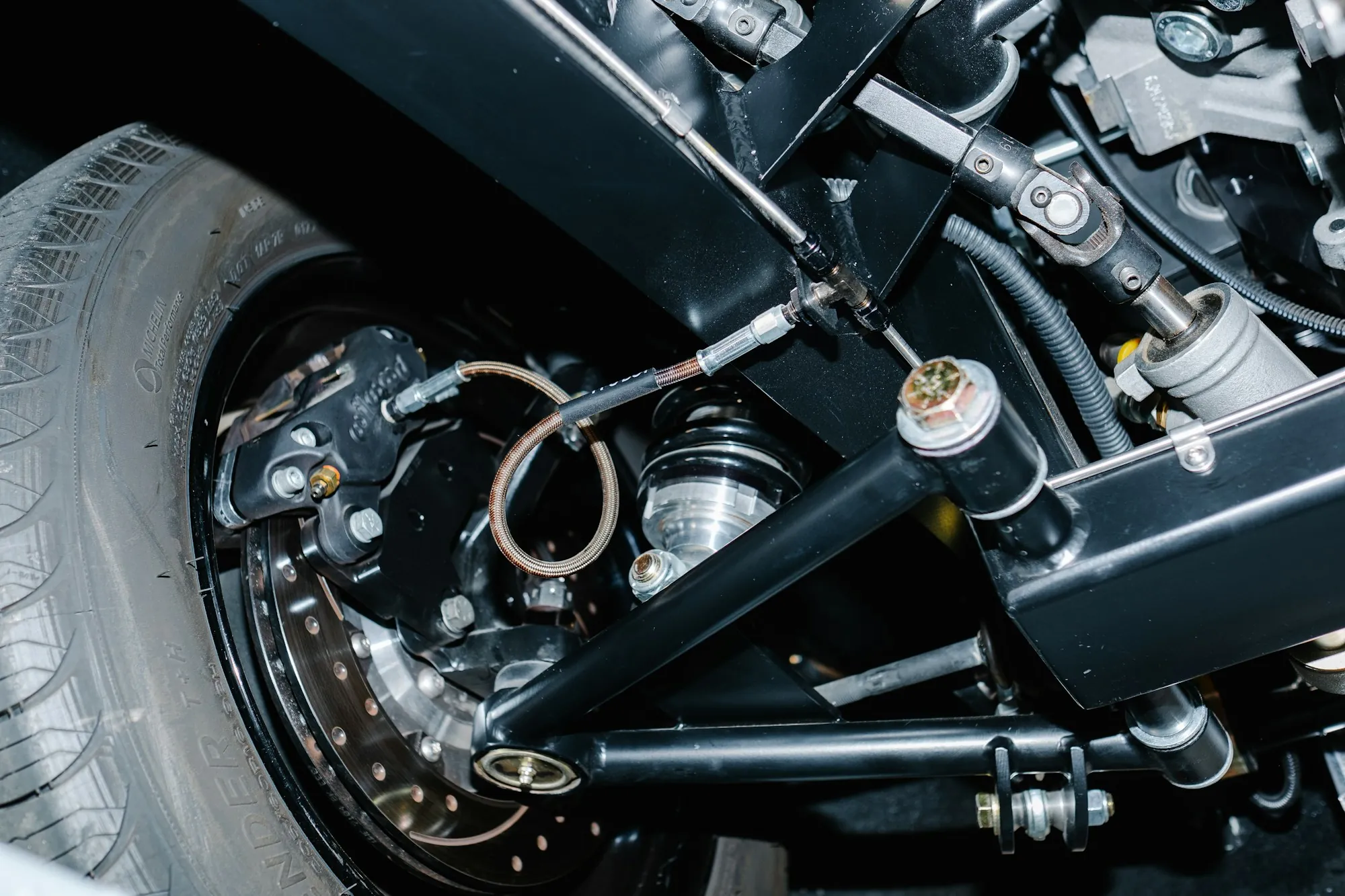
Suspension & Steering Repair
Clunks on washboard roads, wandering steering and uneven tire wear tracked down on the lift and repaired in order of safety.
Read the full page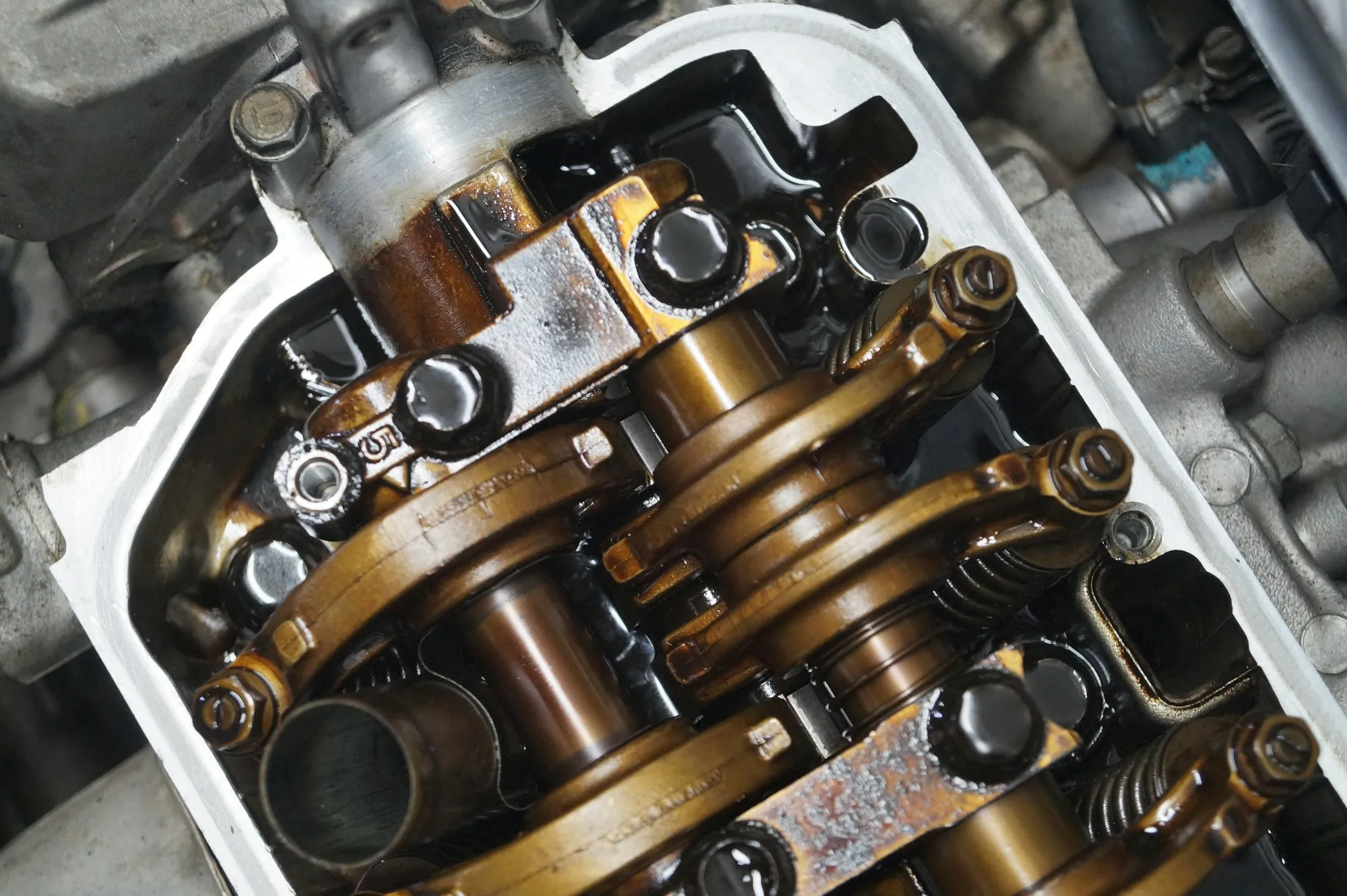
Engine Repair & Replacement
Overheating on the climb, oil leaks and internal failures tested to the cause, with repair and replacement explained honestly.
Read the full page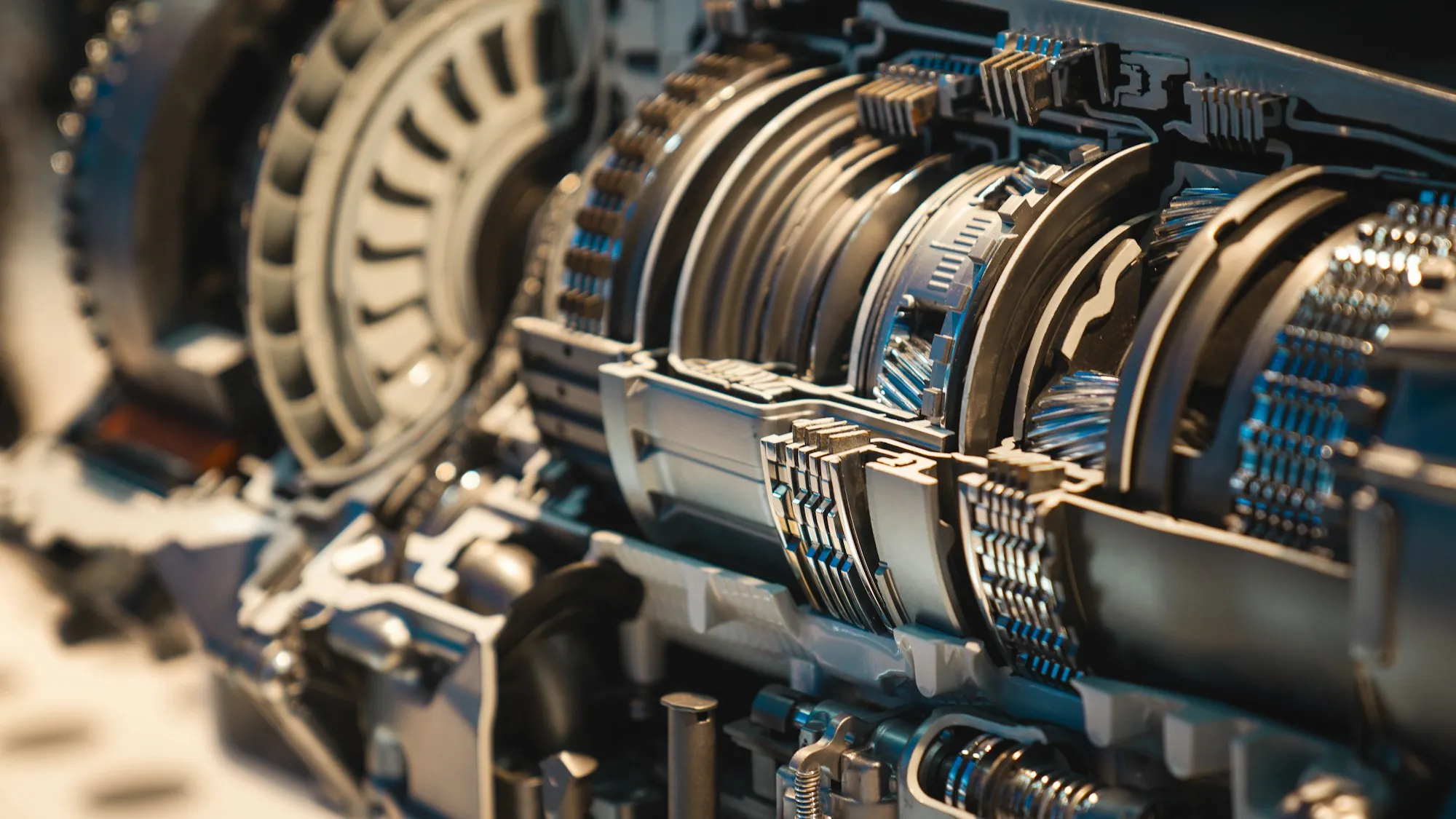
Transmission Repair & Rebuilds
Slipping, flaring and harsh shifts diagnosed from the simplest cause up, with rebuild and replacement compared when the unit is worn.
Read the full page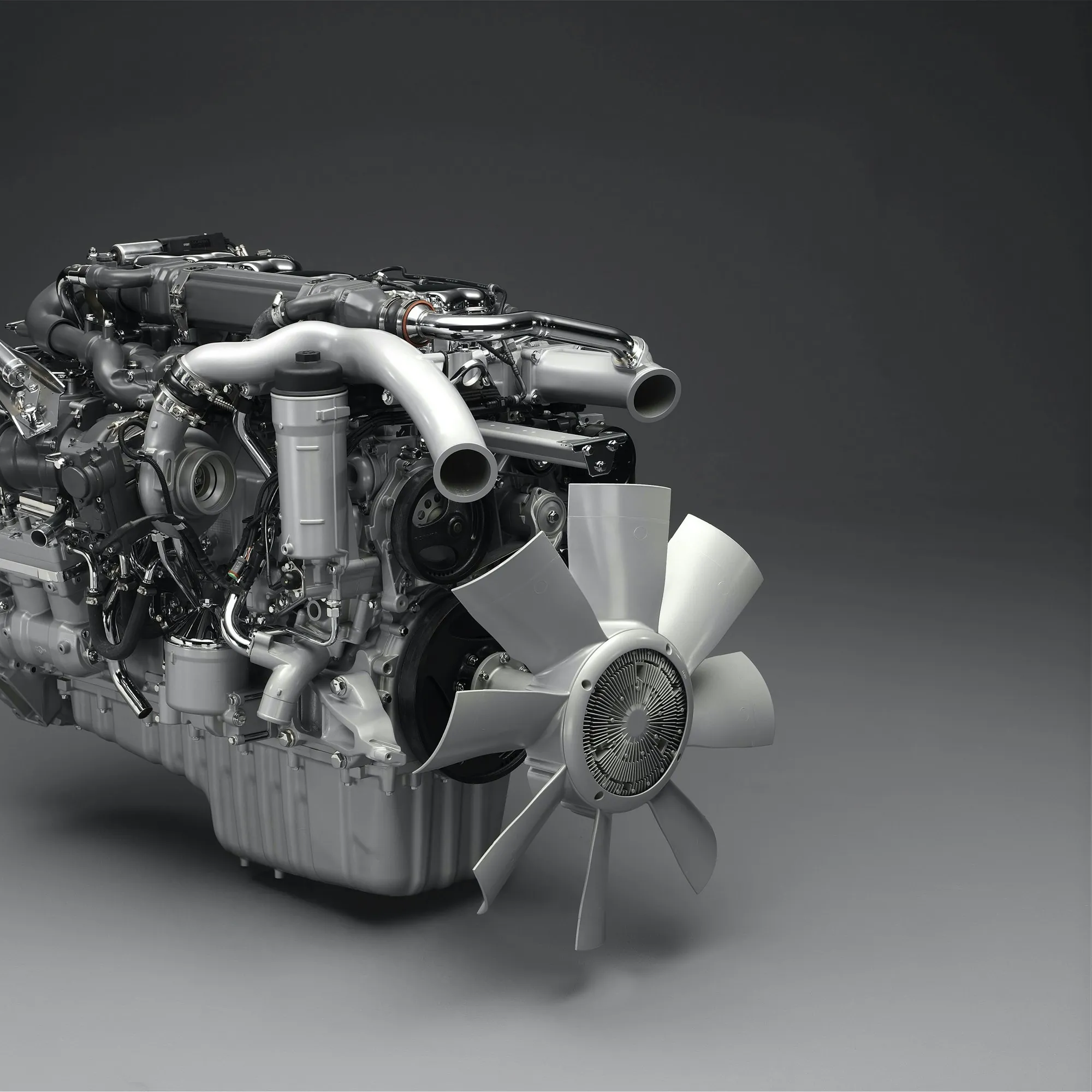
Diesel Engine Repair
Work trucks with smoke, sagging power or regeneration faults tested in Nederland instead of waiting weeks for a dealer slot.
Read the full page
What Sets the Shop Apart
Four working habits that decide how your repair goes.
Repair or replace, laid out honestly
On a failing engine or transmission, you hear two prices, mend it or swap it, plus a frank view of which makes sense for a vehicle of that age and mileage. If neither does, we say that too.
The fault is proven, not assumed
We test until one cause explains the symptom. A warning code starts the investigation; it does not end it. That is how a repair fixes the problem the first time.
A written figure before the work
Every approved repair has a total for parts and labor agreed in advance. Should the job grow once panels and parts come off, nothing more is done until we have phoned you.
Gas engines and diesels alike
Subarus, Tacomas, Power Strokes and Duramaxes all come through our doors. A household with a car and a diesel truck can bring both to one shop.
Fix It or Replace It? How We Help You Decide
Big repairs deserve a clear comparison. Here is what we lay out for you once an engine or gearbox is failing.
Repairing the existing unit
- Makes sense when the core is sound and the failure is limited
- Often the lower total on a well-kept vehicle
- Keeps the original unit the vehicle left the factory with
- Timeline depends on what we find once it is opened
Installing a replacement unit
- Makes sense when wear is widespread or the block is damaged
- Can be quicker when parts for a repair are slow to arrive
- Gives the vehicle a fresh start on its most expensive part
- Price is known up front once the unit is sourced
Either way, we check what caused the failure so the repaired or replacement unit is not exposed to the same problem.
What Altitude Does to a Vehicle
At nine thousand feet an engine makes less power, cooling systems work harder on the climb and every descent heats the brakes. Batteries lose strength on cold mornings, diesel trucks lean on their glow plugs and turbos, and washboard roads loosen suspension parts faster than pavement ever would.
None of that means a mountain vehicle is fragile; it means the wear shows up in predictable places. Our free inspection checks those places first, and the findings come back ranked so you can deal with the important items now and plan for the rest.
It also means maintenance intervals matter more up here. Severe-service schedules exist for exactly these conditions, and we will tell you honestly when your vehicle falls under one and when it does not, so you are not paying for service it does not need.
Your Visit in Three Parts
Start to finish, here is the whole visit.
You describe it, we book it
Call and tell us what the vehicle is doing: the noise, the light, the shift or the smell. We set a time and explain what the first inspection covers. The inspection is free.
We test and call you
The technician confirms the cause and calls with what failed, the evidence for it, the options and the price of each. You choose, and nothing happens until you do.
We repair and prove it
The approved work is completed and the vehicle is driven under the conditions that caused the complaint, uphill if that is where it happened, before you collect it.
Serving Nederland and the Peak to Peak Towns
Customers drive in from Eldora and the Caribou Ranch area, from Rollinsville and Pinecliffe to the south, and from Ward and Gold Hill along the Peak to Peak Highway. Boulder Canyon traffic, long climbs and cold mornings shape what we see in the shop, and the free inspection pays extra attention to the brakes, batteries and cooling systems that work hardest at this altitude.
- Nederland
- Eldora
- Rollinsville
- Ward
- Gold Hill
- Pinecliffe
Not sure what you're hearing?
Most calls start with a sound or a feeling rather than a diagnosis. Describe it as best you can; we will tell you what to watch for and when to bring the vehicle in. A squeal, a clunk, a shudder or a smell is plenty to go on. Every description helps, however rough, and the more you tell us the faster the test goes.
Common Questions Before a Visit
Seven things people ask us most often.
An amber light just appeared on my dash. Pull over or keep going?
Steady amber with normal driving usually means you can finish the trip at an easy pace and book a test. Blinking, shaking or a sudden loss of pull is different: an unburned-fuel misfire is cooking the converter, so shorten the drive and call us.
Will you tell me the price before any repair starts?
Always. First you hear what broke and the full figure for fixing it, and the tools stay down until you agree. Should the job uncover something new halfway, we pause and phone you before going any further.
What does your free inspection include?
Brake pads and rotors, steering joints, shocks, tire tread, fluid levels, belts, hoses, battery health and every bulb, plus a read of any dash warnings and a short drive when it is safe. Findings come back ranked from most to least pressing.
Is a big engine failure worth fixing on an older truck?
Sometimes yes, sometimes no. It hinges on which part let go, how much rust and wear the truck carries elsewhere and how long you want to keep it. Testing pins down the damage first, then we price mending it against fitting another engine.
How long does a typical brake job take?
One axle of pads and rotors is usually an hour or two of shop time. A frozen caliper, corroded lines or anti-lock trouble stretch that, and you hear about any extra work before it begins.
Should I call ahead or just turn up?
Calling ahead is best: it lets us keep a bay free and have the likely parts waiting. When something breaks without warning, phone anyway and we will give you the earliest realistic slot.
How long is a repair guaranteed for?
Twelve months or 12,000 miles on our repair work. If a part from our shop gives out within that stretch, we fit it again at our expense.

Find Out What's Really Wrong
Phone the shop, pick a drop-off time and let us test it. Afterward you will know the cause, the choices and what each costs, and the decision is yours alone. Nobody will rush you.
Talk it over with the shop — (303) 951-7564